



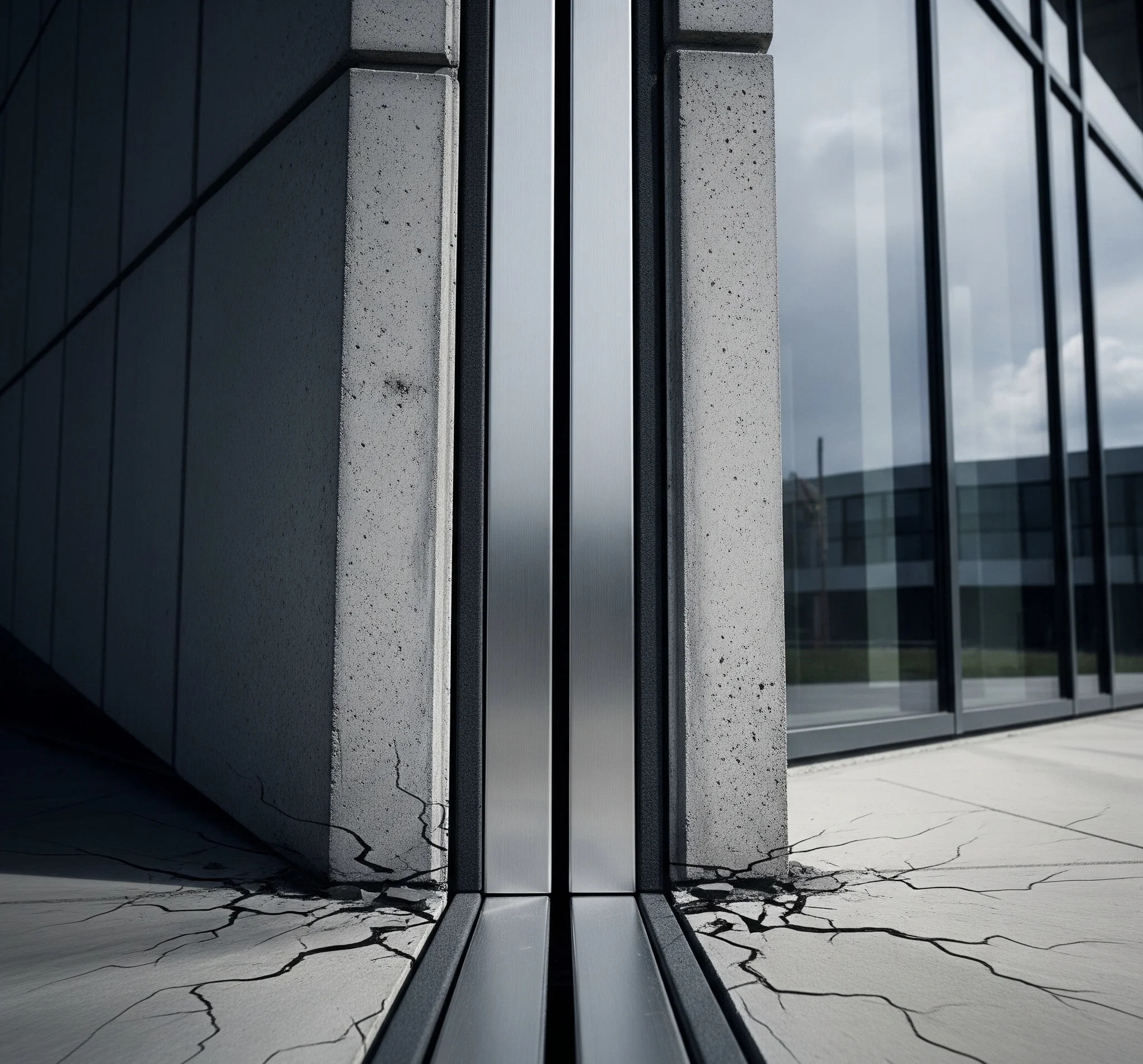
In the world of modern construction, attention to technical details and safety is of special importance. Among these, the issue of seismic joints arises as an engineering necessity in many structures. These joints are a deliberate gap between two adjacent structures, created to prevent their collision during ground shaking and mutual destruction. But the story does not end here. An unprotected seismic joint is like an open wound in the body of a building, requiring special attention and care. This is where the seismic joint cover comes in, a solution that, beyond a legal requirement or merely a superficial covering, plays a vital role in strengthening and ensuring the safety of buildings.
Many owners and even some engineers consider this cover merely for regulatory compliance or to prevent the entry of animals and pollution, while this view ignores the strategic depth of this important detail. In this article, we will comprehensively and deeply examine the importance of seismic joint covers in increasing the resistance of structures against earthquakes and show why proper selection and execution of this cover is a vital investment for the safety and durability of the building.
Seismic joint: The beating heart of structural resistance
Before addressing the seismic joint cover, it is necessary to understand the concept of the seismic joint accurately. If you want more information on this topic, the article “What is a seismic joint?” will be a good source for you. Briefly, a seismic joint is a defined gap placed between two adjacent buildings or two parts of a large building based on the rules of building regulations and engineering calculations. The main purpose of this joint is to provide the necessary space for the oscillation and independent movement of each structure during an earthquake. Without this gap, the two buildings would collide when faced with shaking, creating destructive forces that could lead to the destruction of both structures and cause irreparable loss of life and property.
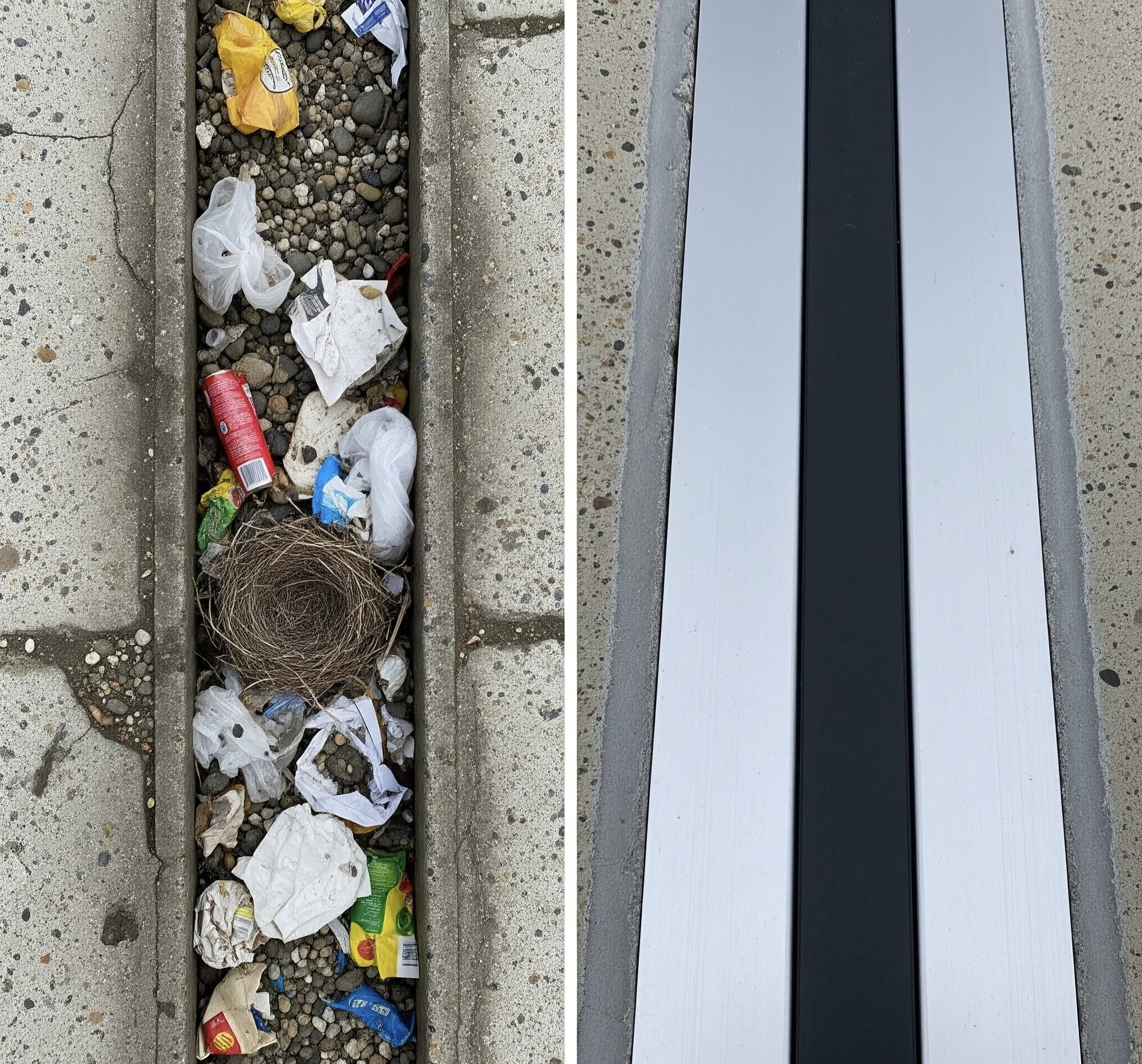
But the seismic joint, by itself, is not complete. This empty space is exposed to various environmental factors such as rain, wind, dust, and even nesting of birds and vermin. Over time, these factors can damage the edges of the joint and reduce its proper function during a crisis. This is where the seismic joint cover plays its role. This cover, like an intelligent protector, protects the joint space from these factors and ensures that during an earthquake, the seismic joint will function with full effectiveness.
Seismic joint cover: Beyond beauty, guarantor of performance
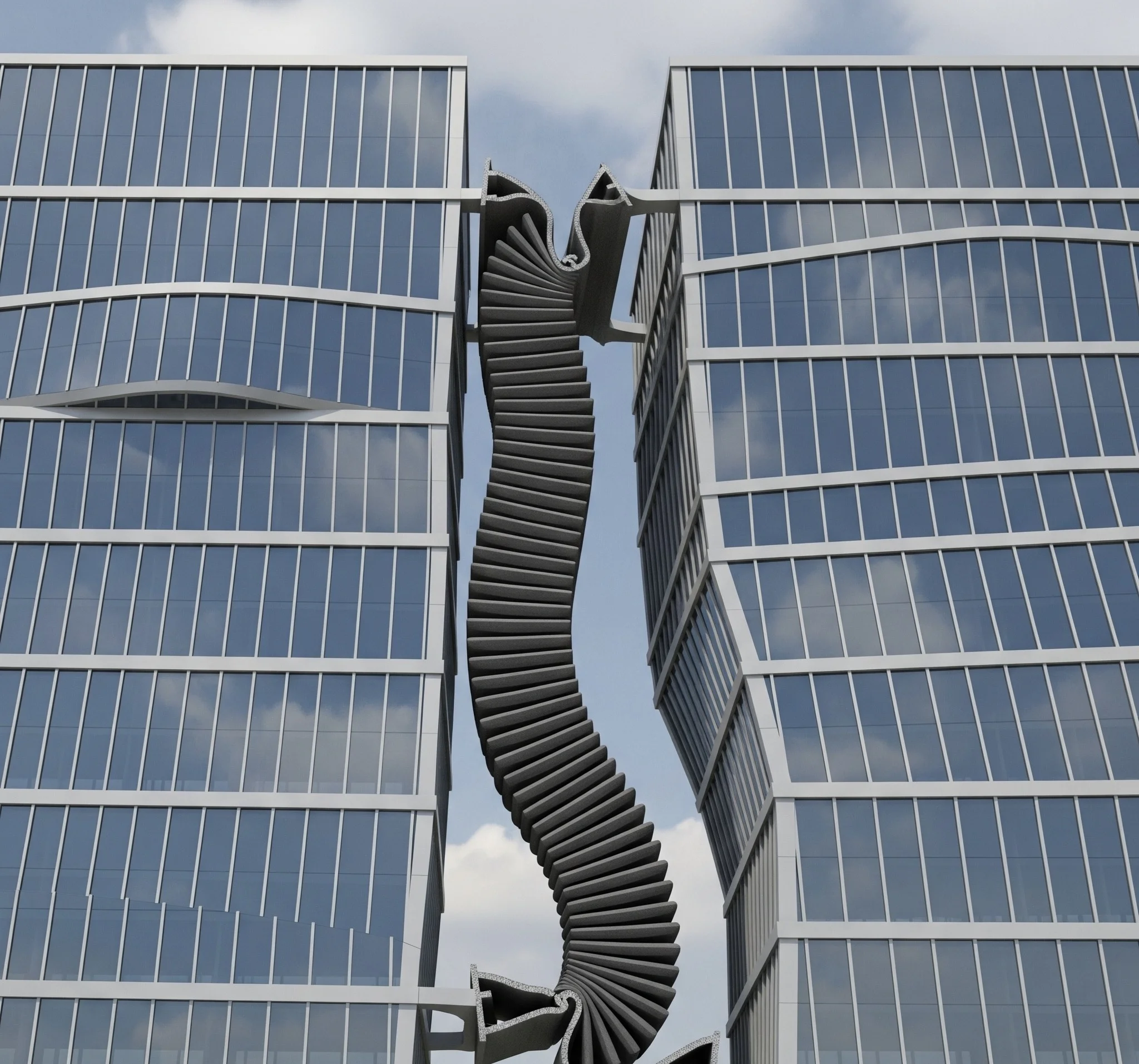
Many people think that the seismic joint cover is solely for filling the empty space and improving the appearance of the building facade. This view, although part of the truth, ignores the most important function of this product. A standard and high-quality seismic joint cover must be able to withstand deformations caused by earthquakes. This cover must be flexible yet have sufficient strength to resist pressure and tension. If the cover used does not have the necessary elasticity and flexibility, it will break at the first tremors of an earthquake, and not only will it fail to perform its function, but it may also act as a destructive element and create new hazards with its detached pieces.
The history of seismic joints and their importance in building safety demonstrates the fact that this issue has long been of interest to engineers. For more information, we suggest reading the article “History of seismic joints and their impact on building safety”.
Characteristics of a standard seismic joint cover
An ideal seismic joint cover should have the following characteristics:
- High flexibility: Ability to absorb relative movements of two structures in three directions (X, Y, Z).
- Resistance to weather conditions: Resistant to sunlight (UV rays), humidity, and temperature changes.
- High durability and long life: Does not deteriorate or erode over time.
- Fire resistance: In the event of a fire, it slows down or prevents its spread.
- Easy and safe installation: The installation process is not complex and can be done quickly without damaging the structure.
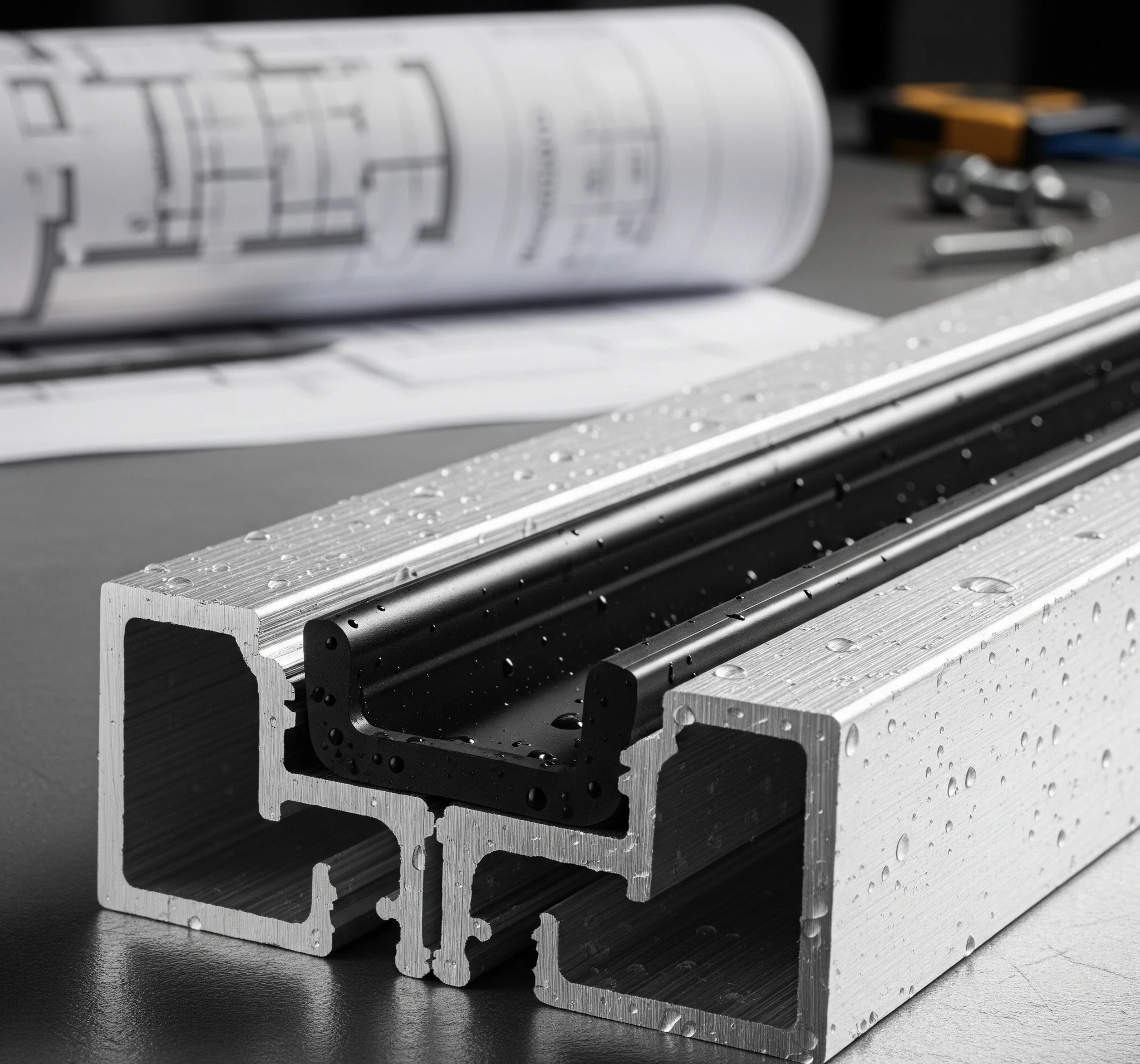
Modern covers are usually made of aluminum profiles and high-quality polymer or rubber strips, possessing all these characteristics. These profiles are designed to have flawless performance against severe ground shaking while preserving facade aesthetics. To learn about the technical details and installation methods of these products, you can refer to the article “From Zero to Hundred of Seismic Joint Covers and a Practical Guide for Engineers”.
Consequences of not using a seismic joint cover
Ignoring the seismic joint cover can have serious and dangerous consequences:
- Damage to joint edges: Over time, environmental factors such as rain and wind can erode and corrode the concrete or brick edges of the seismic joint. This erosion reduces the strength of the structure at these sensitive points and drastically reduces its resistance during an earthquake.
- Joint obstruction: The entry of dust, construction debris, and even bird nests can fill the empty space of the seismic joint over time. In such conditions, during an earthquake, the joint will not be able to absorb the movements of the structures and will effectively lose its function.
- Creation of secondary hazards: During an earthquake, pieces detached from the facade or roof that have accumulated inside the joint can be thrown outward, creating life-threatening risks for passersby.
- Exorbitant repair costs: After an earthquake, repairing the damage to the seismic joint and facade is much more costly and complex than installing a standard, high-quality seismic joint cover.
Review of types of seismic joint covers and their applications in different conditions
Seismic joint covers are manufactured in various types, each designed for specific conditions and needs. The choice of cover type depends on factors such as joint width, predicted displacement amount, type of structure, and weather conditions of the area. For example, aluminum profiles with rubber or polymer strips, due to their flexibility and high resistance, are the most common and effective type of cover. These profiles are produced in different sizes and shapes and are suitable for covering roof, wall, and floor joints.
In coastal or humid areas, the use of stainless steel covers is recommended due to their exceptional resistance to corrosion and rust. Proper recognition of this diversity helps engineers and employers choose the best solution for their project and ensure its efficiency and durability in the long term.
Economics of seismic joint cover: Investment to reduce long-term costs
Although installing a seismic joint cover incurs an initial cost, from an economic perspective, it is a smart and fully justifiable investment. The potential costs resulting from earthquake damage to buildings lacking this cover, including structural repairs, facade reconstruction, and compensation for financial losses due to building activity interruption, are far greater than the cost of installing a standard cover.
These covers, by maintaining the physical health of the seismic joint, increase the useful life of the structure and prevent the need for costly repairs in the future. In fact, the seismic joint cover can be likened to an insurance policy for the health of the structure, which shows its true value during a crisis and prevents unpredictable and exorbitant costs.
Correct selection of seismic joint cover
Choosing the right seismic joint cover is a technical decision that must be made carefully based on engineering calculations. Factors such as joint width, building type, its height, and the weather conditions of the project site influence the choice of cover type. It is recommended to visit the Our Products page to select the appropriate products for your project and choose the best option according to your needs.
Also, for accurate technical information and complete product specifications, you can use the Agor Catalog.
Seismic joint cover and its role in reducing the intensity of lateral earthquake impacts
One of the most destructive consequences of an earthquake is the intense and sudden impacts of structures against each other. When two adjacent buildings oscillate with different frequencies and orientations due to ground shaking, they may collide and exert enormous compressive and shear forces on each other. These impacts not only damage the facade and non-structural components but can also cause localized destruction at connection points and even the complete collapse of structures. The seismic joint cover, by providing a flexible protective layer, absorbs and dampens these impacts, preventing the direct transmission of destructive forces.
This function acts like car shock absorbers, allowing buildings to discharge earthquake energy without serious damage to each other. Therefore, choosing a seismic joint cover with high energy absorption capacity is one of the most important strategies for protecting buildings against the lateral damage of earthquakes.
Conclusion
The seismic joint cover is not just a component of the building facade; it is a vital element in the seismic strengthening system of structures. The correct selection and execution of this cover ensure the flawless performance of the seismic joint during ground shaking and prevent serious damage to the structure and potential casualties. With a proper understanding of this importance, it is possible to build safer and more resilient buildings against natural disasters. Investing in a high-quality seismic joint cover is an investment in security and peace of mind for residents.
FAQ
1. Is installing a seismic joint cover mandatory for all buildings?
Yes, according to national building regulations, installing a seismic joint cover is mandatory for buildings that have a seismic joint. This is done to maintain the joint’s effectiveness and prevent resulting damage.
2. How long does a seismic joint cover last?
The lifespan of a seismic joint cover depends on the quality of raw materials and environmental conditions. Standard, high-quality products typically have a lifespan equal to that of the building itself and do not require frequent replacement.
3. Is the seismic joint cover only for new buildings?
No, the seismic joint cover can also be installed on old buildings that lack this cover. Installing these covers can greatly help improve the building’s safety and strength against earthquakes.