



In the year 1404 (2025-2026), the seismic joint cover is no longer just a decorative piece, but is part of the seismic requirements of Sections 3 and 6 of the National Building Regulations (1404 edition) and Standard 2800, fifth edition. Choosing the wrong seismic joint cover profile can lead to a 75% increase in facade repair costs and a 30-year reduction in the building’s useful life (Engineering System Report 1404). This up-to-date article is the most complete guide for selecting a seismic joint cover profile based on 2025 technologies, nano materials, new standards, and Agor’s real projects.
If you wish to become more familiar with modern methods and implementation standards for closing or covering seismic joints, we recommend taking a look at our special article on this topic. This article, in the form of a comprehensive guide, fully presents technical and practical perspectives. You can read this article at Closing or covering seismic joints in buildings .
Why is choosing a seismic joint cover profile more critical than ever?
In projects above 5 stories or with a length exceeding 45 meters, a seismic joint is mandatory. But just creating the gap is not enough; the seismic joint cover must:
- Absorb seismic movements up to ±150 mm.
- Prevent water penetration up to 99.99% (ASTM E331-2024).
- Be harmonious with the modern facade (thermal wood, composite, stone).
- Operate for at least 40 years without needing replacement.
With the SF-Series 2025, Agor is the first company in Iran to receive CE Mark + ISO 19650 (BIM Ready) certification for seismic joint covers.
Further reading: What is a seismic joint? (Complete review of 1404 requirements)
Standards and technical requirements
- National Building Regulations: When selecting a profile, the requirements related to expansion and seismic joints must be observed.
- International standards: Reputable standards such as ASTM E1399 are used to evaluate the performance of profiles under different conditions.
- Mechanical and chemical properties: The load-bearing capacity, corrosion resistance, and durability of the profile must comply with the project’s requirements.
Key factors for selecting a seismic joint cover profile in 1404 projects
1. Building type and joint location
| Building type | Suggested joint width | Suggested Agor profile type | Residential above 8 stories | 30–80 mm | SF-Alu Pro / SF-Steel Heavy | Commercial and towers | 50–150 mm | SF-Modular Seismic | Hospital and school | 80–200 mm | SF-FireRated 120min | Parking | 30–100 mm | SF-Floor HeavyDuty |
|---|
2. Environmental and climatic conditions
- Coastal areas (humidity + salt): 316L stainless steel + nano coating.
- Tehran and dry cities: 25-micron anodized aluminum + nano EPDM.
- Cold regions: Profile with Thermal Break (reduces cold transfer by up to 65%).
3. Traffic and pedestrian load
- Parking: Withstands 5 tons per wheel (SF-Floor series).
- Lobby and entrance: Withstands 12 cm heel (SF-Flush series).
Complete comparison of seismic joint cover profile materials 1404
| Material | Useful life | UV resistance | Corrosion resistance | Relative cost | Agor 2025 suggestion | Anodized aluminum | 40+ years | ★★★★★ | ★★★★ | Medium | SF-Alu Pro 2025 (nano coating) | Stainless steel 316L | 50+ years | ★★★★★ | ★★★★★ | High | SF-Steel MarineGrade | Aluminum + composite | 35 years | ★★★★ | ★★★★ | Economical | SF-Hybrid Eco | Reinforced PVC | 15–20 years | ★★ | ★★ | Very cheap | Only interior spaces | Aluminum with nano coating | 50+ years | ★★★★★ | ★★★★★ | High | New: SF-NanoShield 2025 |
|---|
Mandatory standards for seismic joint covers
| Standard | Main requirement | Compatible Agor model | Section 3 of National Regulations 1404 | Seismic joint in buildings >45m length | All SF series | Standard 2800 fifth edition | Absorbs ±1.5 × seismic Drift | SF-Modular Seismic | ASTM E1399-2024 | Cyclic test 10,000 cycles | SF-Alu Pro (tested) | ASTM E331 | Sealing under 1000 Pa pressure | All models | BS EN 1365 | Fire resistance 120 minutes | SF-FireRated | LEED v5 + ISO 14001 | Minimum 65% recycled materials | SF-Eco Series |
|---|
Further reading: History and requirements of seismic joints
New innovations in the design of seismic joint cover profiles
In recent years, the construction industry has witnessed significant advances in the design and production of seismic joint cover profiles. These innovations have not only improved structural performance but have also contributed to increased durability, beauty, and ease of implementation. In the following, we point out the most important innovations in this field:
-
Use of advanced hybrid materials: Combining aluminum with reinforced polymers or advanced composites has brought to market profiles with lighter weight, higher corrosion resistance, and longer lifespan.
-
Modular and flexible designs: Producing profiles that can be adjusted and adapted to different dimensions and shapes of seismic joints has reduced the need for cutting or changing form at the installation site and minimized installation time.
-
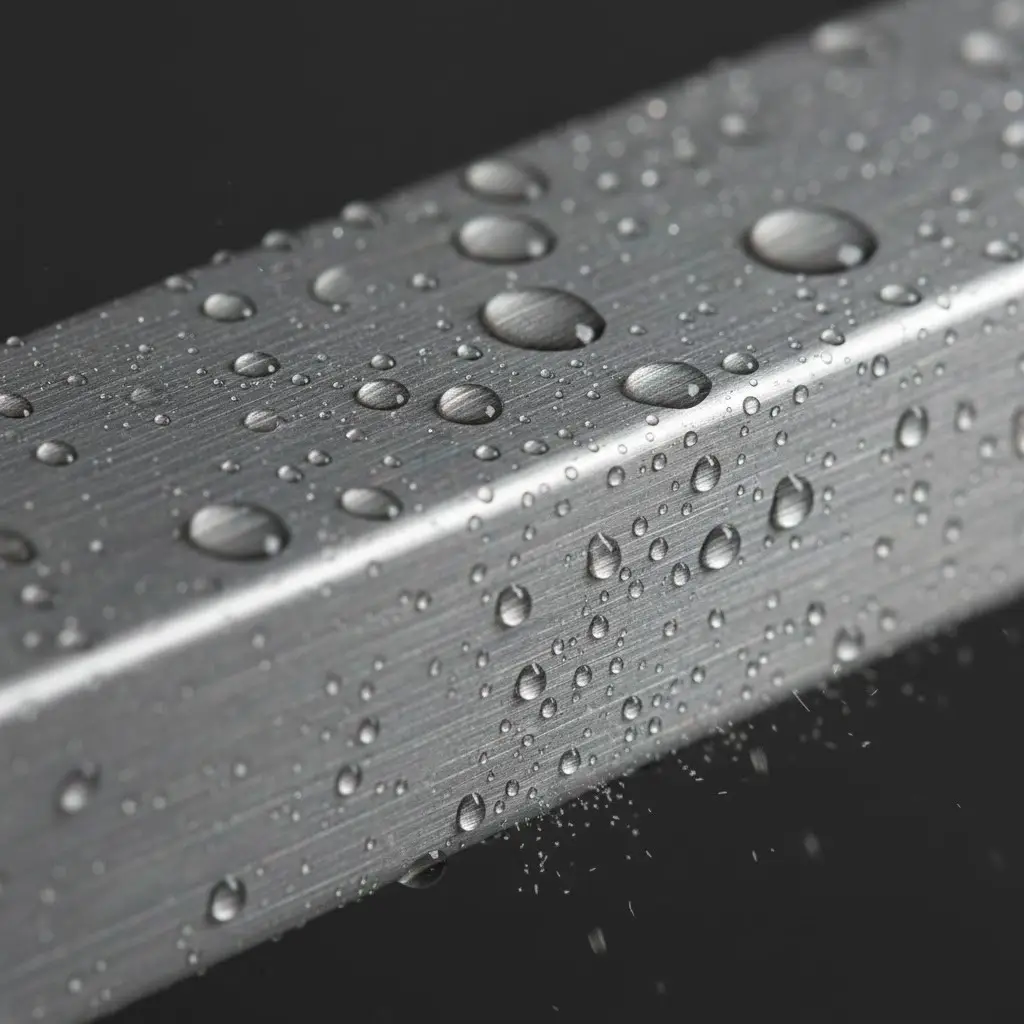
Nanotechnology coatings: The use of anti-corrosion and waterproof nano coatings has increased the surface resistance of profiles against harsh environmental conditions and maintains their appearance for a long time.
-
Integrated sealing systems: Some new profiles are equipped with internal sealing systems that prevent water and dust from penetrating into the structure and eliminate the need for separate sealing.
-
Compliance with environmental standards: Manufacturers, by using recycled materials and environmentally friendly processes, have helped reduce the environmental impact of producing these products.
These innovations help engineers and architects, along with complying with technical requirements, to also ensure the visual beauty and sustainable performance of the building. The use of these modern products in modern projects will greatly help optimize costs and improve construction quality.
Step-by-step guide to choosing the right profile
- Calculate the joint width based on building length and seismic Drift
- Determine the traffic load (heel, wheelchair, vehicle)
- Check climatic conditions and humidity
- Select material based on budget and expected lifespan
- Match with the facade design (color, texture, flush or raised)
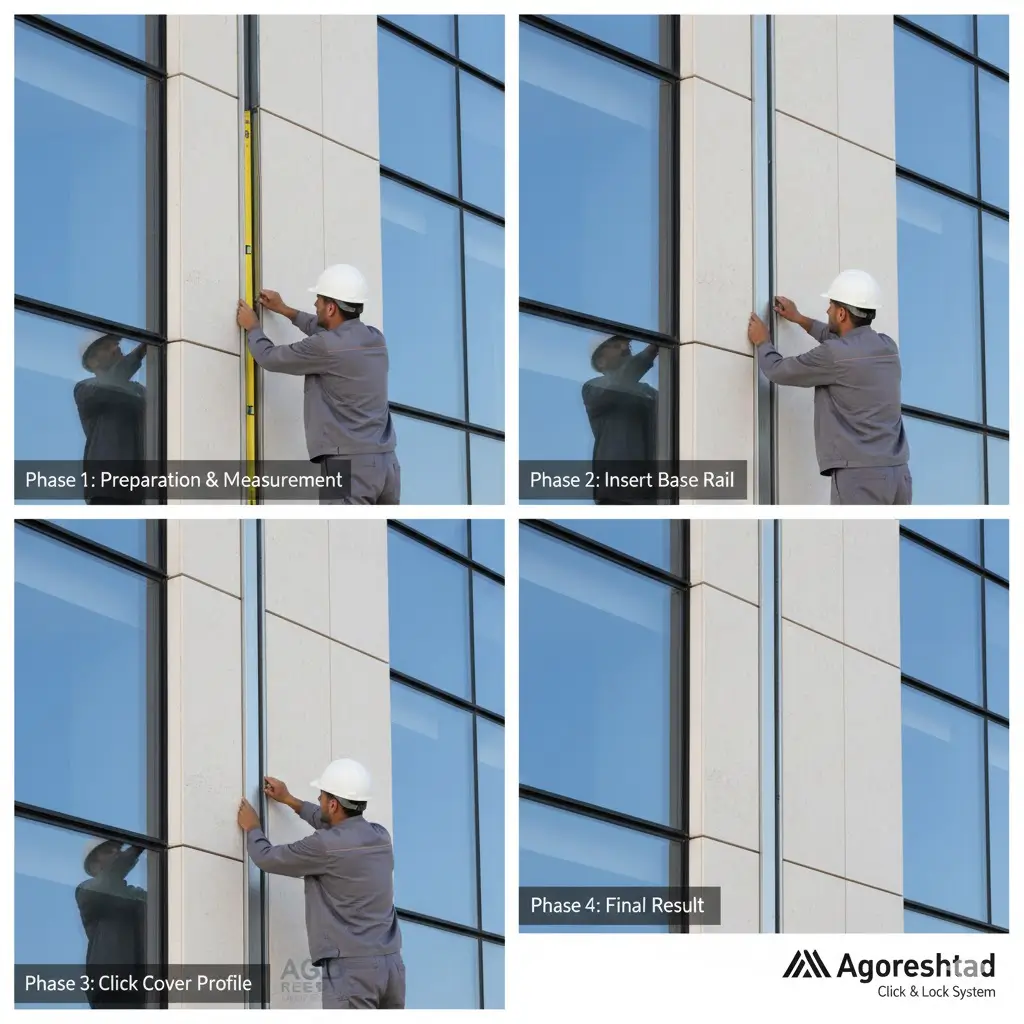
- Receive BIM file and execution plan from Agor
- Test a sample at the project site (free by Agor)
Maintenance and periodic inspection of Agor profiles
| Period | Suggested action | Tool | Every 6 months | Visual inspection + cleaning | Camera + soft brush | Every 2 years | Water penetration test (ASTM E331) | Pressure device | Every 5 years | Replace EPDM sealing strips | Agor replacement kit | Every 10 years | Structural inspection by supervising engineer | Official report |
|---|
Agor offers a 10-year maintenance contract with a 40% discount.
Final word
Correctly choosing the seismic joint cover profile is one of the key parts in the design and execution of construction projects. Paying attention to technical features, environmental conditions, visual beauty, and compliance with reputable standards will ensure optimal performance and greater longevity of the structure. It is recommended to use the advice of experienced experts and standard products to achieve the best result, in order to prevent implementation problems and future cost increases.
FAQ
1. What is the best material for a seismic joint cover profile in humid areas?
Aluminum and stainless steel, due to their high corrosion resistance, are the best options for humid areas.
2. Is using PVC suitable for large projects?
In large projects and high-traffic spaces, PVC is not the first choice due to its lower mechanical resistance compared to metals; but it is a suitable option in economical projects and interior spaces.
3. What are the most important standards for selecting a seismic joint profile?
ASTM, ISO standards, and Iran’s National Building Regulations are among the main requirements for selecting seismic joint cover profiles.
4. Can choosing an inappropriate profile damage the structure of the building?
Yes, choosing an inappropriate profile can lead to moisture penetration, facade damage, and in more severe cases, damage to the structure due to settlement or earthquake.