



Substructure and installation of discontinuity joint cover | Comprehensive implementation guide, technical tips, tools and methods (Agor)

In the year 1404 (2025-2026), incorrect installation of the seismic joint cover is one of the three main causes of facade cracks and water penetration in buildings above 8 stories (Tehran Engineering System Report 1404). Incorrect substructure and non-standard installation can lead to an 85% reduction in the cover’s useful life and a threefold increase […]
Comprehensive guide to choosing a gap cover profile | Best material, standard, installation and maintenance (Agor)

In the year 1404 (2025-2026), the seismic joint cover is no longer just a decorative piece, but is part of the seismic requirements of Sections 3 and 6 of the National Building Regulations (1404 edition) and Standard 2800, fifth edition. Choosing the wrong seismic joint cover profile can lead to a 75% increase in facade […]
Closing or covering the gap in the building | New materials, standards and implementation tips 2025

Introduction In modern construction projects, seismic joint covers play a key role in the safety and performance of structures. These covers, designed to prevent moisture penetration, pollution, and seismic damage, can turn a weak point into a strong point. According to a 2025 report by the Iran Engineering System Organization, over 35% of moisture and […]
5 Key Differences Between a Discontinuity and Expansion Joint | Agor’s Comprehensive Guide to Discontinuity Joint Coverage, Design, Implementation, and Innovations
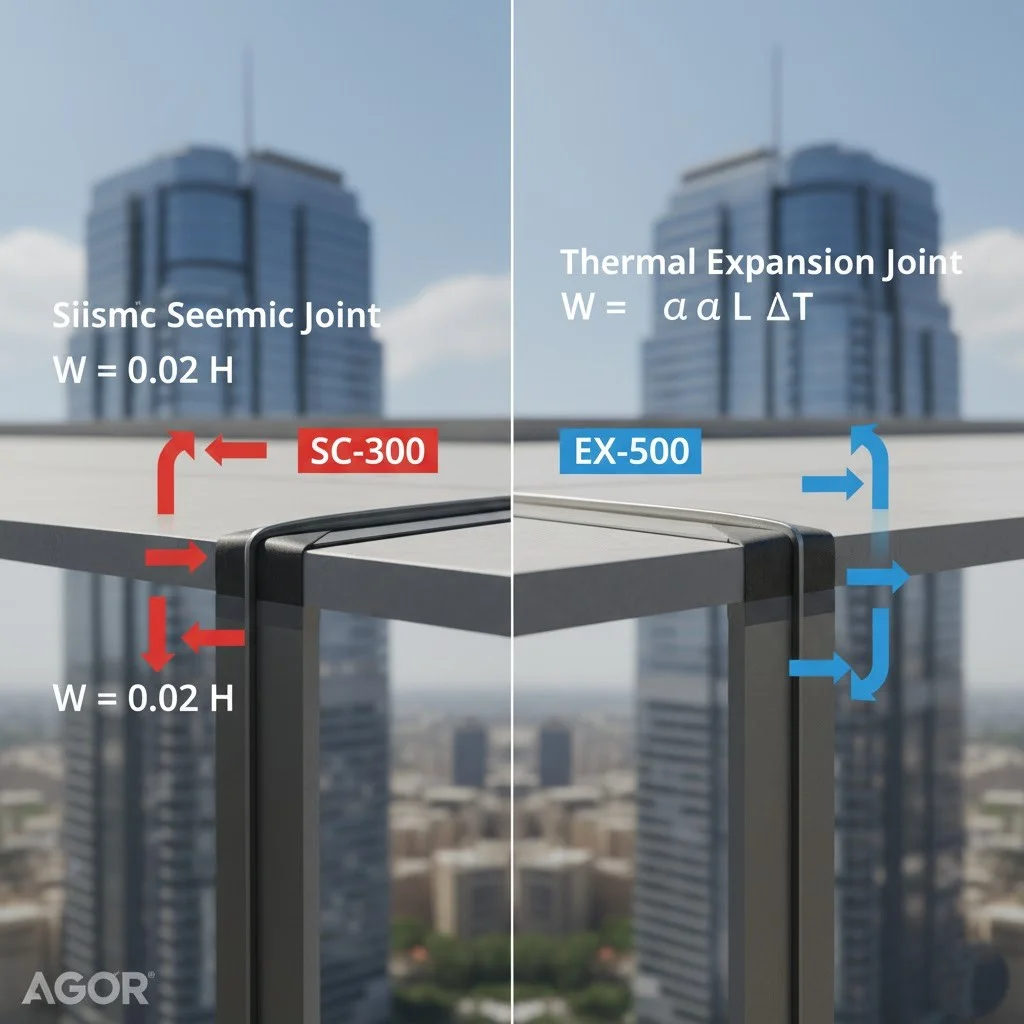
Last updated: November 16, 1404 (November 2025) In the world of structural engineering in 2025, the seismic joint cover with self-healing nanocomposite materials and IoT sensors not only absorbs seismic movements up to ±300 mm but also ensures safety up to magnitude 9.5 and a useful life of over 60 years. According to the 2025 […]
Discontinuity Joint Covering on Traffic Bridges | 1404 Comprehensive Guide for Safety, Durability, and Advanced Design

Bridge Expansion Joint and Its Role in Safety, Durability, and Design Last updated: November 2025 (Aban 1404) In today’s world of civil engineering, the seismic joint cover plays a key role as one of the vital components in large structures such as traffic bridges, managing environmental changes. Did you know that according to new 2025 […]
Building Interruption Joint Calculation | New 2025 Standards and Implementation Solutions
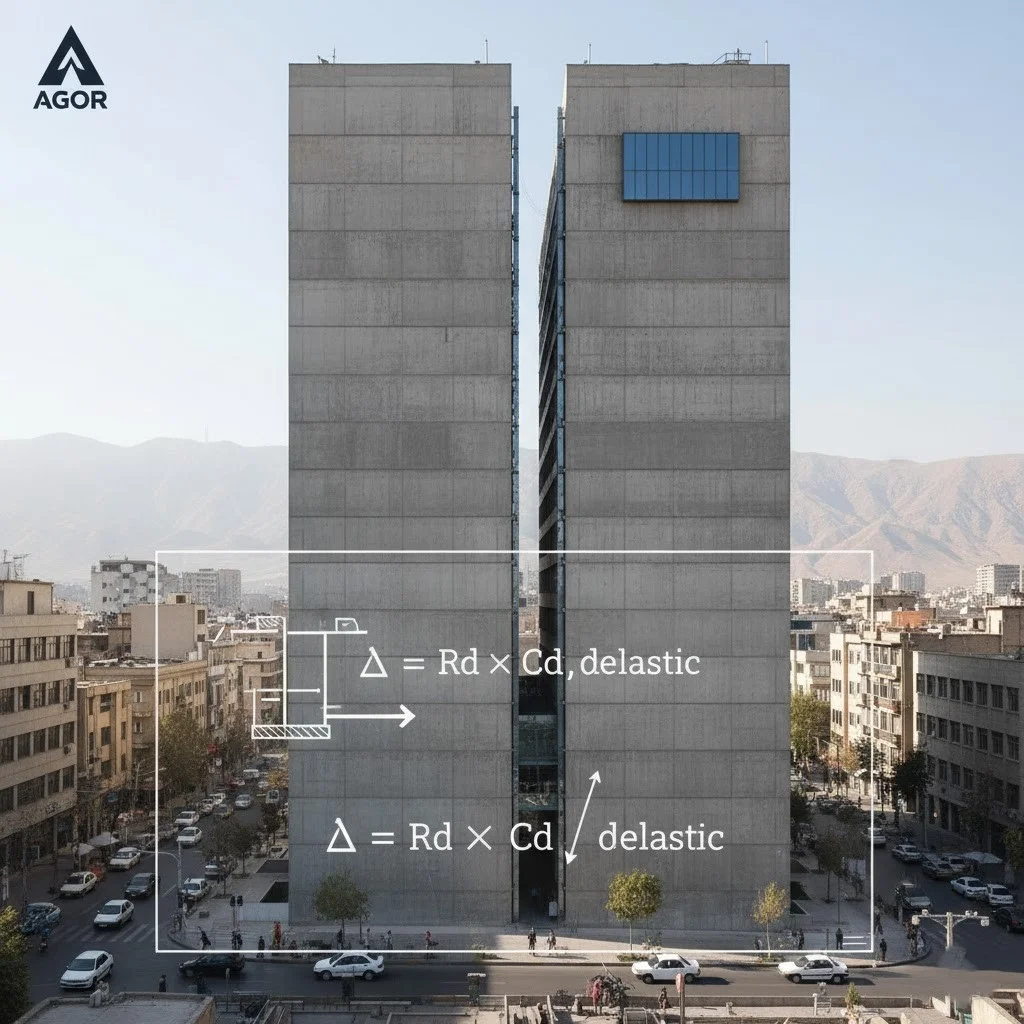
Why is calculating seismic joints critical? In civil engineering, calculating building seismic joints is one of the key elements for ensuring the safety of structures against earthquakes, thermal expansion, contraction, and soil settlement. This small gap between two adjacent buildings prevents them from colliding during seismic movements and can save lives and property. According to […]
History of the Discontinuity Seam | Evolution, Rules, and Its Impact on Building Safety

In the world of modern architecture and civil engineering, seismic joint covers act as one of the key elements in increasing the safety and durability of structures. These covers not only absorb movements caused by thermal expansion, soil settlement, and seismic vibrations but also prevent the penetration of moisture, dust, and environmental factors, preserving the […]
Gap Sealing in Buildings | Why is gap spacing critical?

Iran is one of the countries with high earthquake risk in the world. Buildings constructed without observing seismic reinforcement principles are vulnerable to moderate and severe earthquakes. One of the key factors in earthquake-resistant building design is the seismic joint and the implementation of seismic joint covers. A seismic joint cover refers to the distance […]
What is a discontinuity seam? A complete review of the importance, applications and future innovations in discontinuity seam coating design
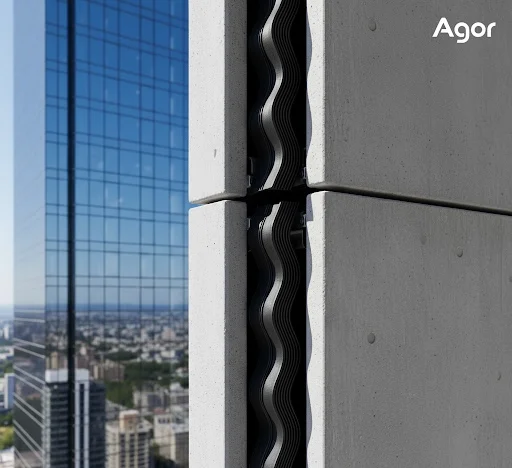
In the world of modern construction, seismic joint covers are recognized as one of the vital components of structures, playing a key role in increasing the safety, durability, and stability of buildings. These covers not only prevent the penetration of environmental factors such as moisture, dust, and pollution but also allow natural structural movements such […]